Why it matters
"Natural" doesn't mean "no effect." Many botanicals and nutrients are included in supplements precisely because they act on the body, and some of those actions can overlap with medication. Heart and blood sugar supplements deserve particular care because the people who buy them are often already taking related prescriptions.
A five-point checklist before you start any supplement
- Bring the bottle or a photo of the label to your doctor or pharmacist.
- List everything you take, including other supplements and over-the-counter medicines.
- Ask about specific interactions with your blood pressure, blood sugar or blood-thinning medicines.
- Ask what to watch for and when to stop.
- Never stop or change a prescription because you've started a supplement.
ColestZen ingredients worth mentioning to your doctor
- Licorice root can raise blood pressure and lower potassium in some people, especially with regular use. It may matter if you have high blood pressure or take diuretics or heart medication.
- Bitter melon, cinnamon, gymnema, banaba, chromium and alpha lipoic acid are associated with lowering blood sugar. If you take diabetes medication or insulin, combining them could push glucose too low.
- Vitamin E and some botanicals may have mild effects on blood clotting, relevant if you take warfarin or other blood thinners.
This isn't a complete list of interactions, and it isn't a reason to panic. It's a prompt for a short, useful conversation with a professional who knows your history.
Who should get advice first
- Anyone taking prescription medicine
- People who are pregnant, trying to conceive or nursing
- Anyone under 18
- People with heart, liver or kidney conditions, or scheduled surgery
Keeping track
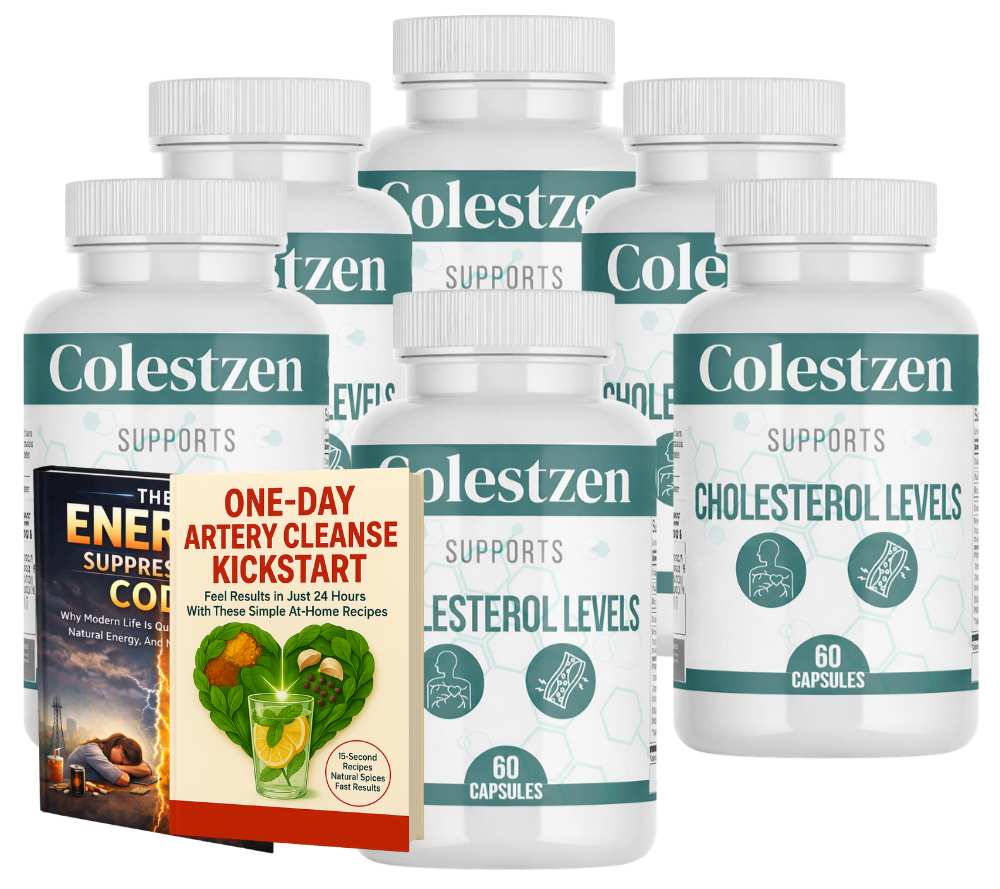
If you do start ColestZen or any other supplement, note the start date. That makes it easier to connect any change, good or bad, and to discuss your next test results. The ColestZen FAQ covers more safety questions, and our lipid panel guide helps with the follow-up.
Further reading
- Licorice root · NCCIH
- Chromium · NIH Office of Dietary Supplements
- Dietary Supplements: What You Need to Know · NIH ODS
Published November 10, 2026. Educational content only, not medical advice.